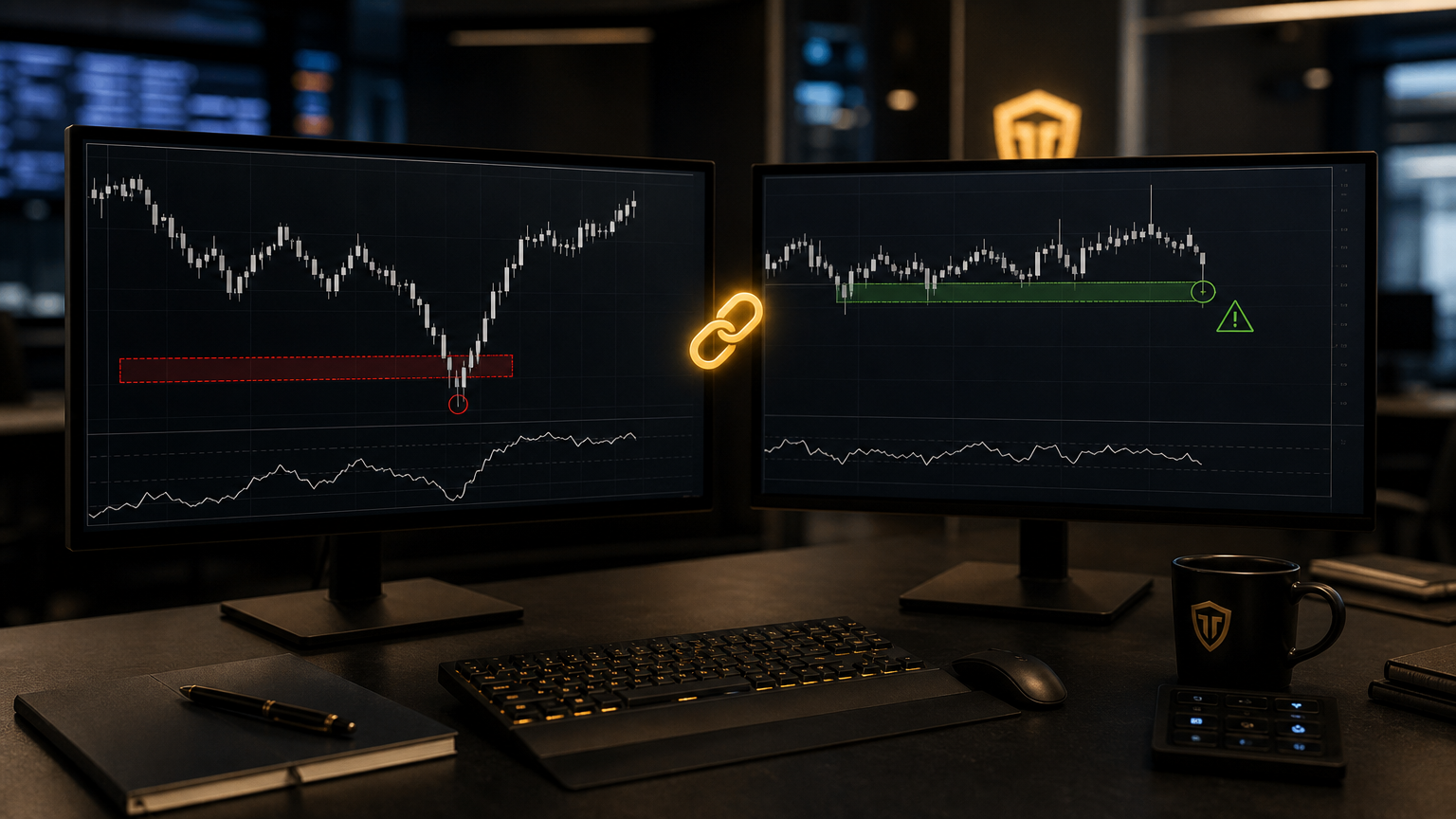
SMT divergence is useful because it shows disagreement between related markets, but disagreement is not the same thing as a trade.
Bottom line: Use SMT as supporting evidence near liquidity, not as a standalone reversal trigger.
Trading risk note: Tempo Trades content and tools are for educational purposes only and are not financial advice. Futures trading involves substantial risk of loss and is not suitable for every trader. Past performance, examples, testimonials, or creator results do not guarantee future results.
What SMT is looking for
SMT compares related instruments such as ES and NQ to see whether one market takes a high or low while the other refuses. That refusal can show a shift in relative strength.
The signal becomes more useful when it appears at a meaningful level. Random divergence in the middle of a range is not enough.
The location filter
The first filter is liquidity. If SMT forms after one market sweeps a prior high or low and the other does not confirm, the context is stronger.
Without a clear liquidity event, traders often invent meaning from normal correlation noise.
How an indicator helps
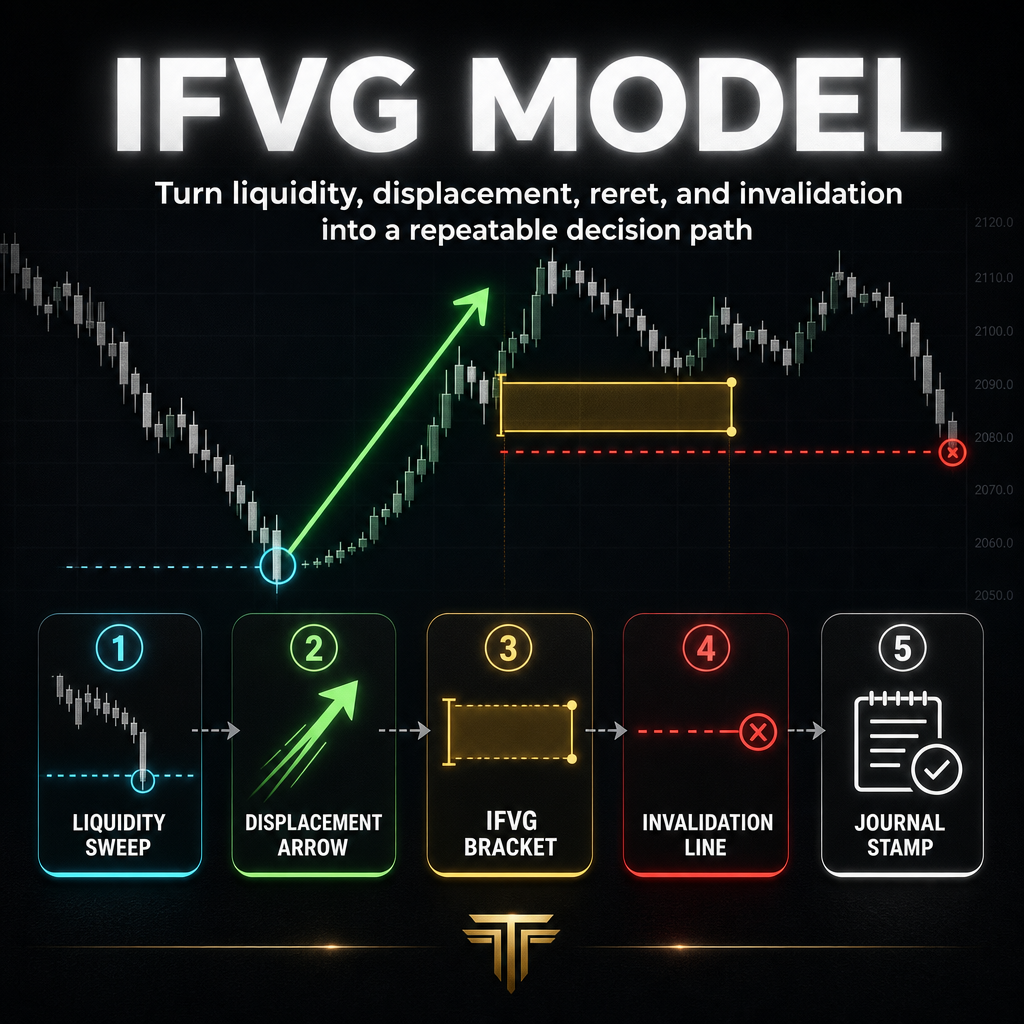
Automatic SMT mapping can keep you from missing obvious divergence and can make review more consistent.
The tool still cannot decide whether the divergence is tradable. You need bias, entry model, invalidation, and risk.
The common trap
The trap is shorting every NQ push because ES did not match it, or buying every ES low because NQ held higher.
SMT should make you ask better questions. It should not make you fade strength blindly.
Review workflow
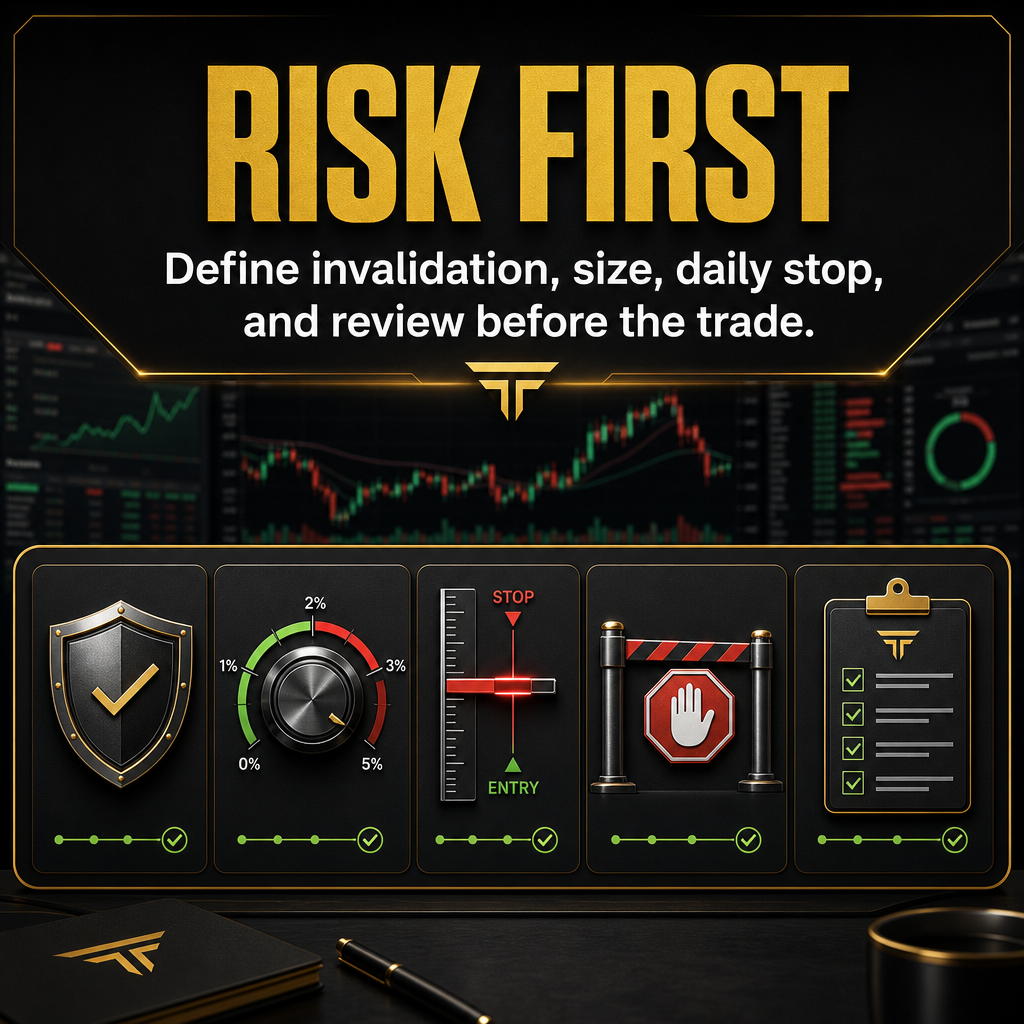
Screenshot both instruments, mark the sweep, mark the non-confirmation, and record whether displacement followed.
Over twenty examples will teach you more than one lucky reversal.
Verdict
SMT is evidence. It becomes useful when it joins liquidity, timing, and risk into one plan.
If it only gives you another reason to force a reversal, turn it off until your checklist is stricter.
Related Reading
- Tempo Trades Review: Is the Futures Trading Community Worth It?
- Tempo Trades Pricing: Which Offer Makes Sense for Your Workflow?
- Tempo Trades Indicator Review: ICT Tool or Signal Trap?
- IFVG Indicator Guide: How to Use Inversion Fair Value Gaps Without Forcing Trades
- FVG vs IFVG: The Difference That Changes Your Trade Plan
- Live Futures Trading Room: How to Learn From Real-Time Sessions Without Copying
- Tempo Trades Premium Discord: What a Trading Community Should Actually Do
- ICT Trading Course Review: What Beginners Should Actually Learn First
FAQ
Which markets should I compare?
Many futures traders compare related index futures such as ES and NQ.
Does SMT predict reversals?
No. It can support a reversal thesis, but it does not predict by itself.
Can the indicator replace correlation study?
No. It can mark divergence, but you still need to understand why the location matters.
Does this guarantee profitable trades?
No. Nothing in Tempo Trades, this article, or any indicator guarantees profits. The goal is better process quality, not certainty.
Evaluate Tempo Trades only if it fits your current workflow and risk rules.
Review the Tempo Trades Indicator