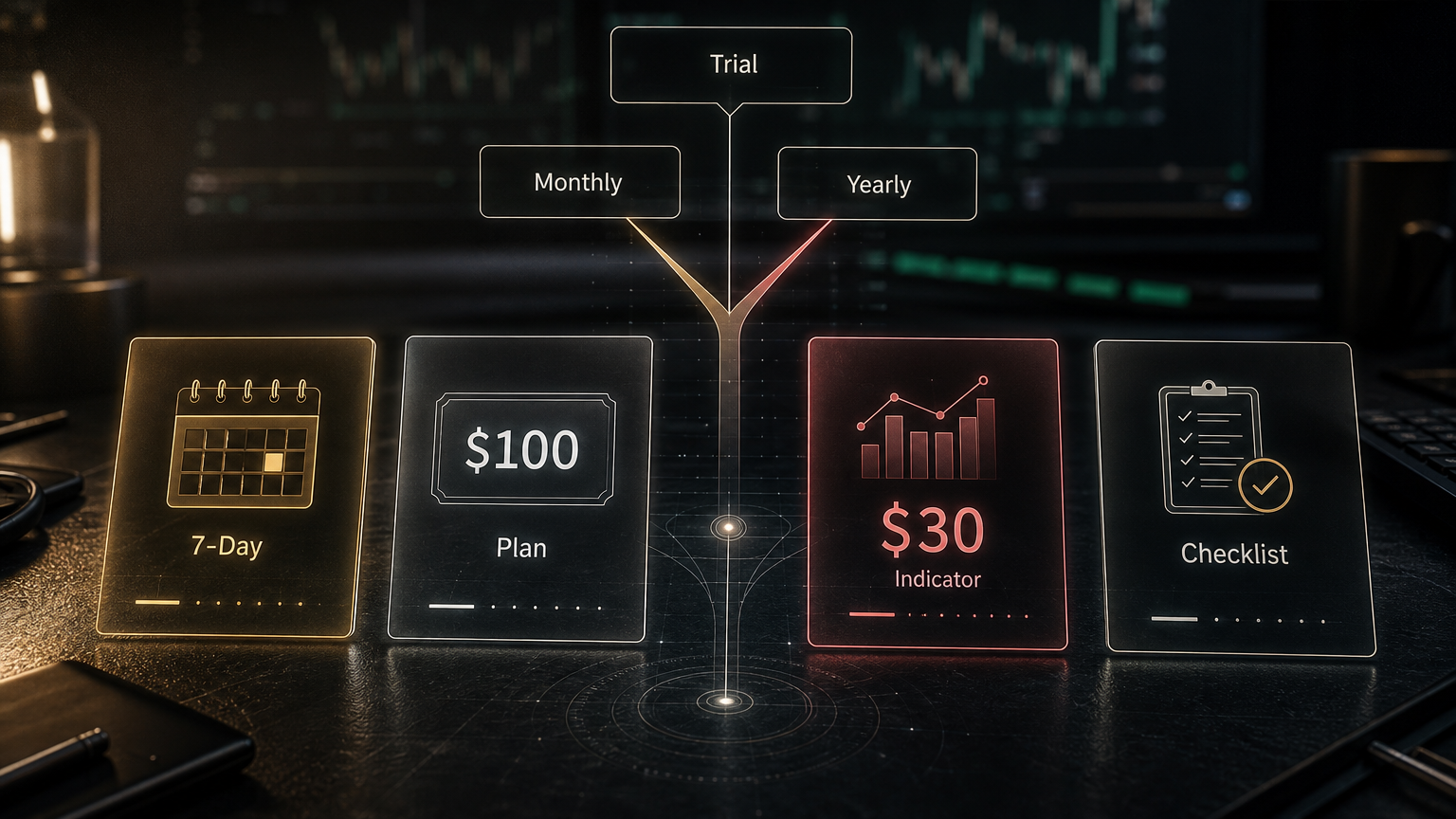
Tempo Trades pricing only makes sense when you price the offer against weekly use, not against the fantasy of one trade paying for everything.
Bottom line: The right plan is the one you will actually use for live sessions, review, education, and indicator-supported preparation.
Trading risk note: Tempo Trades content and tools are for educational purposes only and are not financial advice. Futures trading involves substantial risk of loss and is not suitable for every trader. Past performance, examples, testimonials, or creator results do not guarantee future results.
Start with usage
Do not begin with the monthly number. Begin with your calendar. If you cannot attend sessions, review recordings, post charts, or study the course material, even a cheap plan becomes expensive because it will not change behavior.
A trader who spends four focused hours per week on preparation and review can evaluate value more honestly than a trader who joins, lurks, and waits for confidence to appear.
Premium versus indicator
Premium is a broader learning environment: live sessions, community, education, and feedback. The indicator is narrower: chart assistance for concepts such as FVG, IFVG, SMT, ratings, and sizing support.
Buy the broader offer when your bottleneck is process. Consider the indicator when your bottleneck is chart consistency and you already understand the decision logic it is supposed to support.
Free trial logic
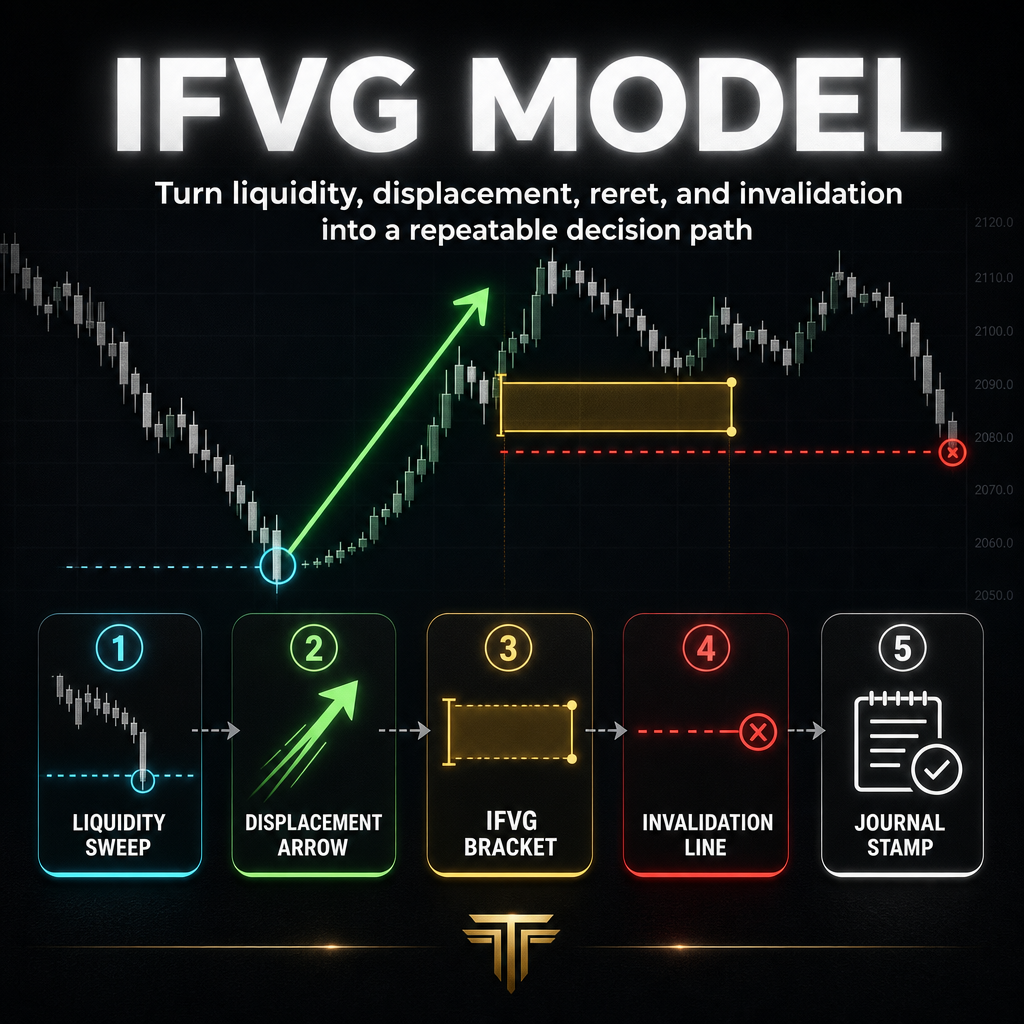
A trial is not a browsing window. It is a test sprint. Before it starts, define the exact questions you need answered: Can I follow the teaching? Are reviews specific? Does the workflow reduce impulsive trades? Do I understand the indicator's role?
At the end of the trial, the answer should come from notes, not mood. If you cannot point to better prep or better review, do not upgrade just because the room feels active.
Monthly versus longer commitment
Monthly access usually fits traders who are still validating the system. A longer commitment only makes sense after the workflow has proven itself in your routine.
Avoid annual logic if you are still solving basic discipline problems. Commitment does not create consistency. Consistency creates the reason to commit.
Hidden costs
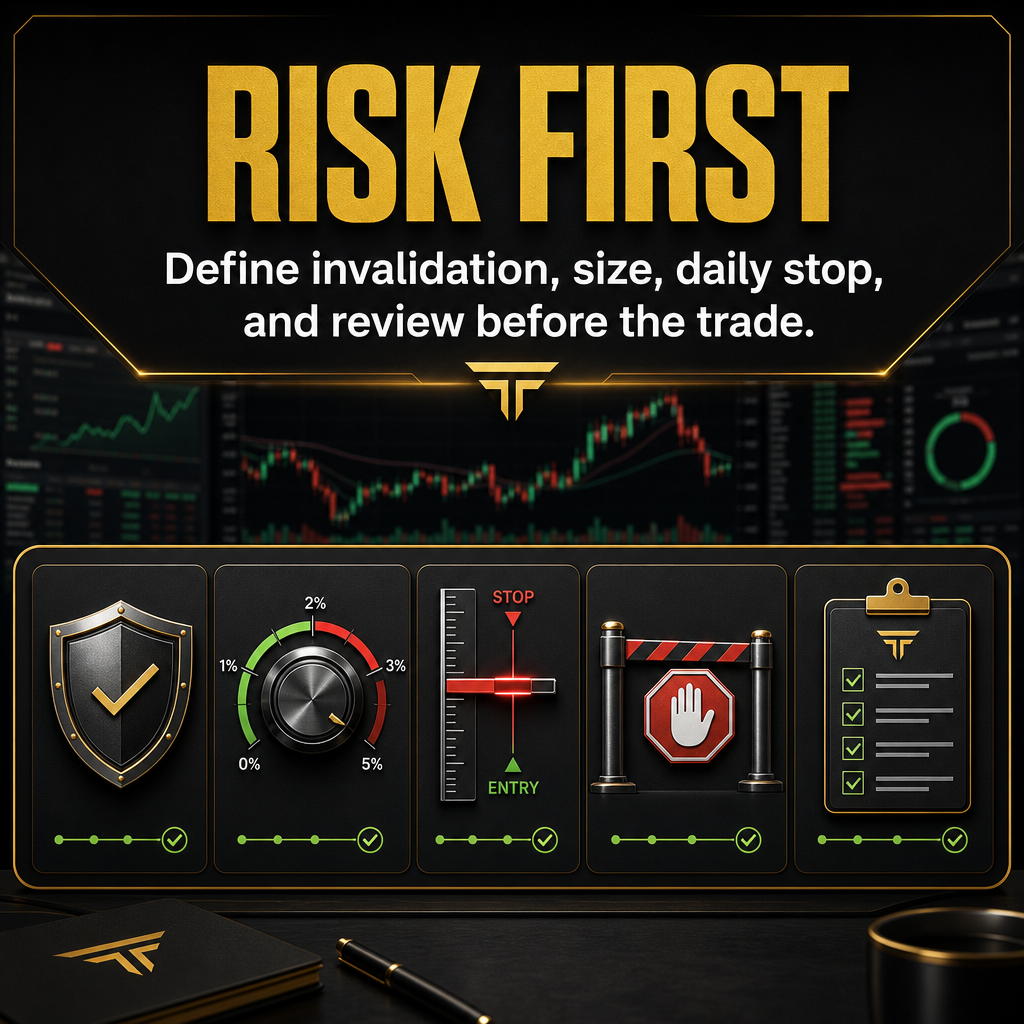
The real cost includes market data, platform fees, evaluation accounts, broker commissions, and the emotional cost of trading too soon. Education spend should reduce those mistakes, not sit on top of them.
If buying a plan makes you feel pressure to earn it back immediately, lower size or stay simulated. That pressure is exactly how traders turn a learning purchase into an execution problem.
Pricing verdict
Choose Premium for feedback and routine. Choose the indicator for chart workflow support. Choose both only when you can name the job each one performs.
The wrong purchase is any plan bought from urgency. The right purchase is the one attached to a weekly schedule and a review standard.
Related Reading
- Tempo Trades Review: Is the Futures Trading Community Worth It?
- Tempo Trades Indicator Review: ICT Tool or Signal Trap?
- IFVG Indicator Guide: How to Use Inversion Fair Value Gaps Without Forcing Trades
- FVG vs IFVG: The Difference That Changes Your Trade Plan
- SMT Divergence Indicator: How to Read Correlation Without Chasing Reversals
- Live Futures Trading Room: How to Learn From Real-Time Sessions Without Copying
- Tempo Trades Premium Discord: What a Trading Community Should Actually Do
- ICT Trading Course Review: What Beginners Should Actually Learn First
FAQ
Should I start with the cheapest option?
Start with the option that matches your bottleneck. Cheap is not useful if it does not change the mistake you keep repeating.
Is the indicator enough by itself?
Only if you already understand the underlying concepts and risk model.
How do I judge value after one week?
Count concrete behavior changes: better prep, fewer forced trades, cleaner sizing, and completed reviews.
Does this guarantee profitable trades?
No. Nothing in Tempo Trades, this article, or any indicator guarantees profits. The goal is better process quality, not certainty.
Evaluate Tempo Trades only if it fits your current workflow and risk rules.
Review Tempo Trades Premium Review the Tempo Trades Indicator