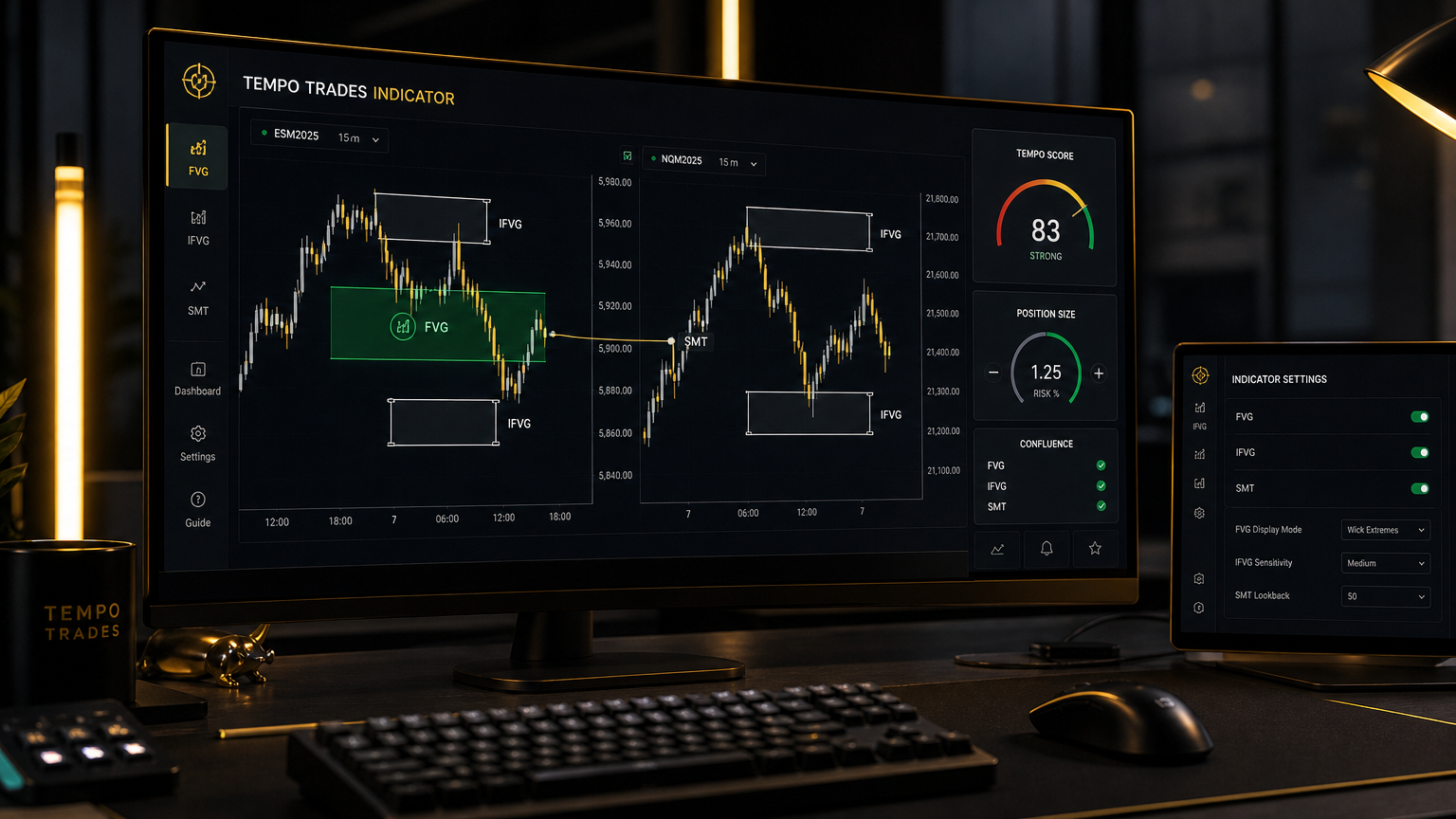
The Tempo Trades Indicator is useful only if it keeps you from improvising. If it becomes a green-light machine, you are using it wrong.
Bottom line: Best used as a chart workflow assistant for ICT-style concepts, not as an automatic entry system.
Trading risk note: Tempo Trades content and tools are for educational purposes only and are not financial advice. Futures trading involves substantial risk of loss and is not suitable for every trader. Past performance, examples, testimonials, or creator results do not guarantee future results.
What an indicator can do
An indicator can mark structure faster, standardize visual inputs, and reduce the number of subjective chart decisions. That is useful when a trader already has rules for session, bias, liquidity, invalidation, and size.
It cannot decide whether you should trade. It cannot know your emotional state, account rules, daily drawdown, or whether you are chasing after a missed move.
FVG and IFVG use
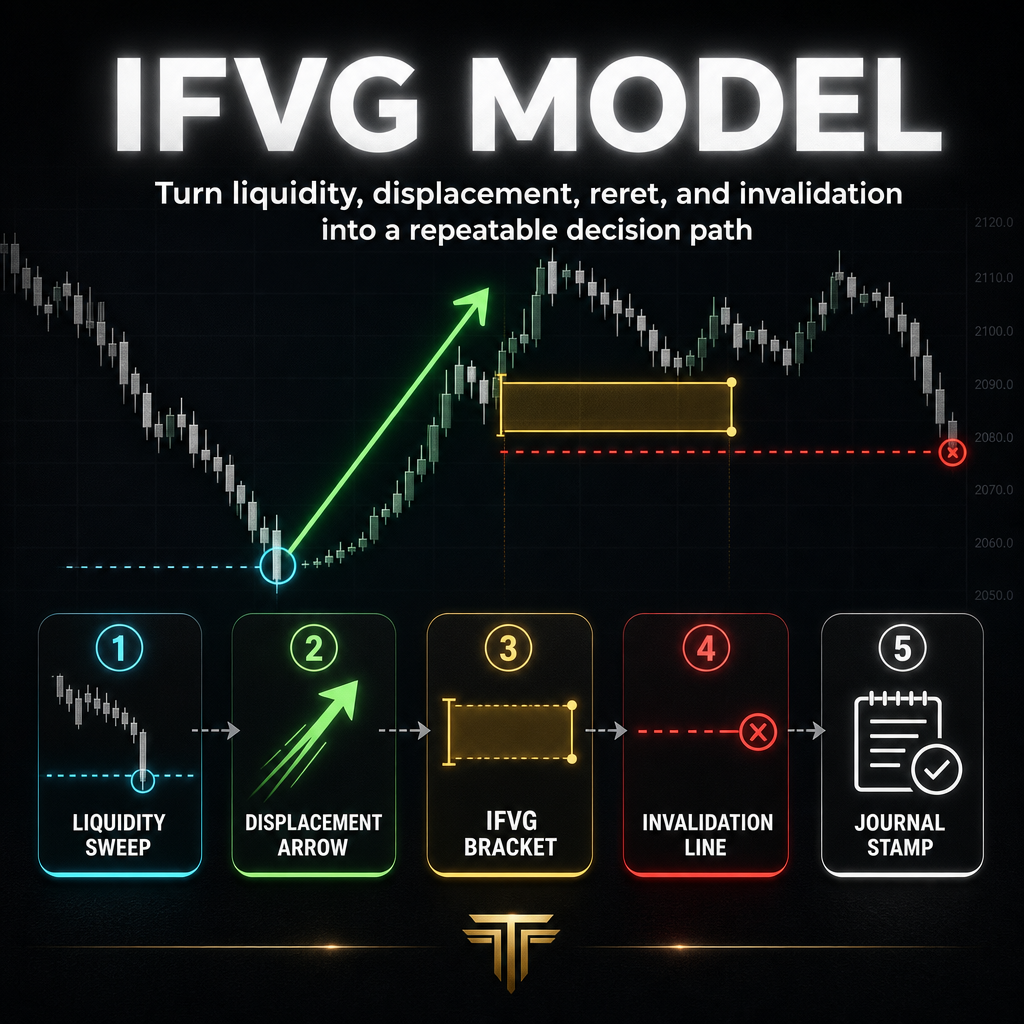
FVG and IFVG markings are helpful when they point attention toward displacement and role change. They are harmful when every marked zone becomes a trade idea.
The right question is: did this zone form inside a larger thesis, near a meaningful level, with clear invalidation? If not, the box is information, not instruction.
SMT context
SMT divergence can add evidence when related markets disagree near liquidity. It is not a reversal button. A divergence without location, timing, and confirmation is just a mismatch.
Use SMT as a reason to slow down and check context. Do not use it as permission to short strength or buy weakness with no plan.
Rating systems
A rating guide is valuable when it forces criteria to be visible. It is dangerous when traders outsource judgment to a score and ignore the parts that do not fit.
If a high-rated idea violates your daily loss rule or forms outside your session plan, the score does not matter. Risk rules outrank setup quality.
Position sizing
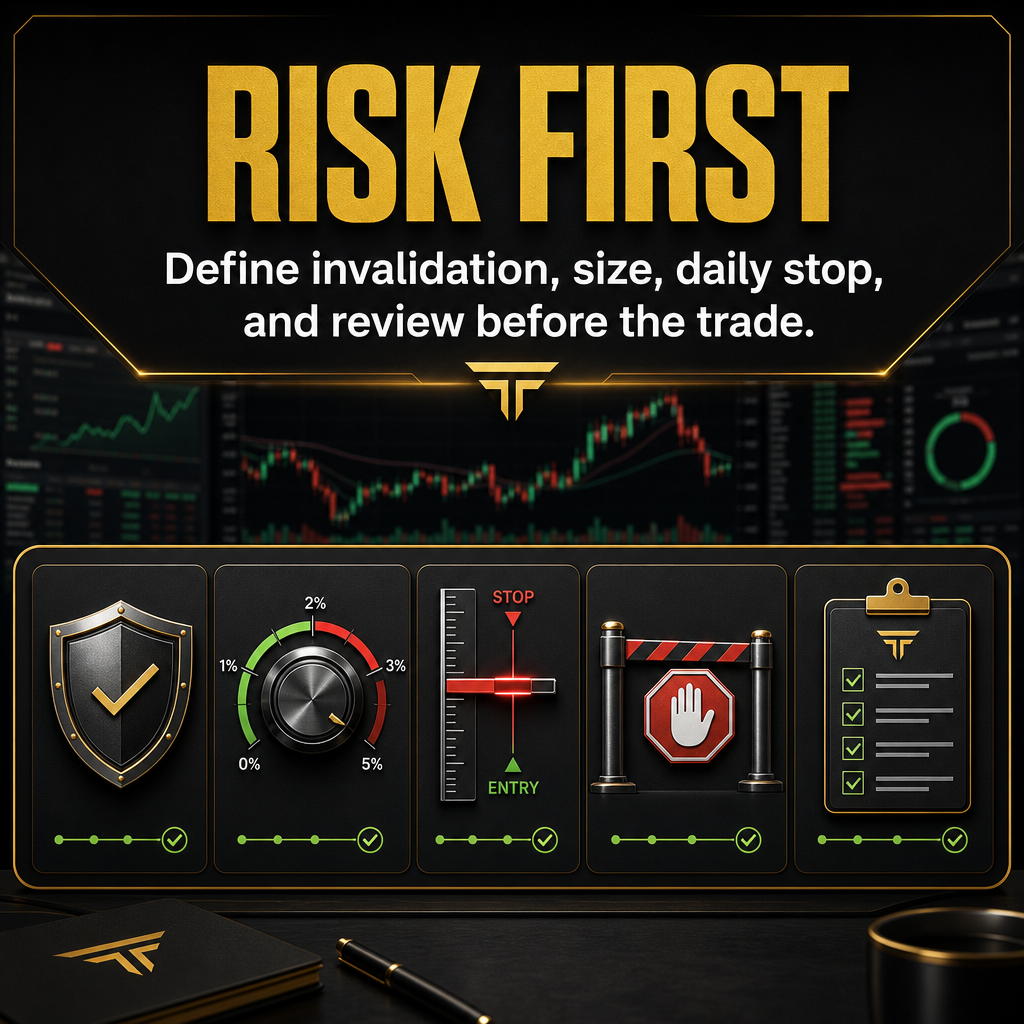
Sizing support is one of the most practical features because risk mistakes are often mathematical before they are psychological. Contract count, stop distance, and account risk need to be known before entry.
Use sizing to make trades smaller and more consistent. If the tool helps you justify larger size, you are reversing its purpose.
Indicator verdict
The indicator makes sense for traders who want cleaner observation and repeatable chart prep. It does not make sense for traders who want software to remove uncertainty.
If you can explain why a marked setup is valid and when it is invalid, the indicator can speed your workflow. If you cannot, study before you trade it.
Related Reading
- Tempo Trades Review: Is the Futures Trading Community Worth It?
- Tempo Trades Pricing: Which Offer Makes Sense for Your Workflow?
- IFVG Indicator Guide: How to Use Inversion Fair Value Gaps Without Forcing Trades
- FVG vs IFVG: The Difference That Changes Your Trade Plan
- SMT Divergence Indicator: How to Read Correlation Without Chasing Reversals
- Live Futures Trading Room: How to Learn From Real-Time Sessions Without Copying
- Tempo Trades Premium Discord: What a Trading Community Should Actually Do
- ICT Trading Course Review: What Beginners Should Actually Learn First
FAQ
Does the indicator give buy and sell signals?
It should not be treated as a standalone signal source.
Can I use it without ICT knowledge?
You can install it, but you will not evaluate it properly without understanding the concepts.
What is the safest first use?
Use it on replay or simulation to compare marked context against your written plan.
Does this guarantee profitable trades?
No. Nothing in Tempo Trades, this article, or any indicator guarantees profits. The goal is better process quality, not certainty.
Evaluate Tempo Trades only if it fits your current workflow and risk rules.
Review the Tempo Trades Indicator